
*ΤΑ ΑΡΘΡΑ ΕΚΦΡΑΖΟΥΝ ΤΙΣ ΠΡΟΣΩΠΙΚΕΣ ΑΠΟΨΕΙΣ ΤΩΝ ΣΥΓΓΡΑΦΕΩΝ ΤΟΥΣ
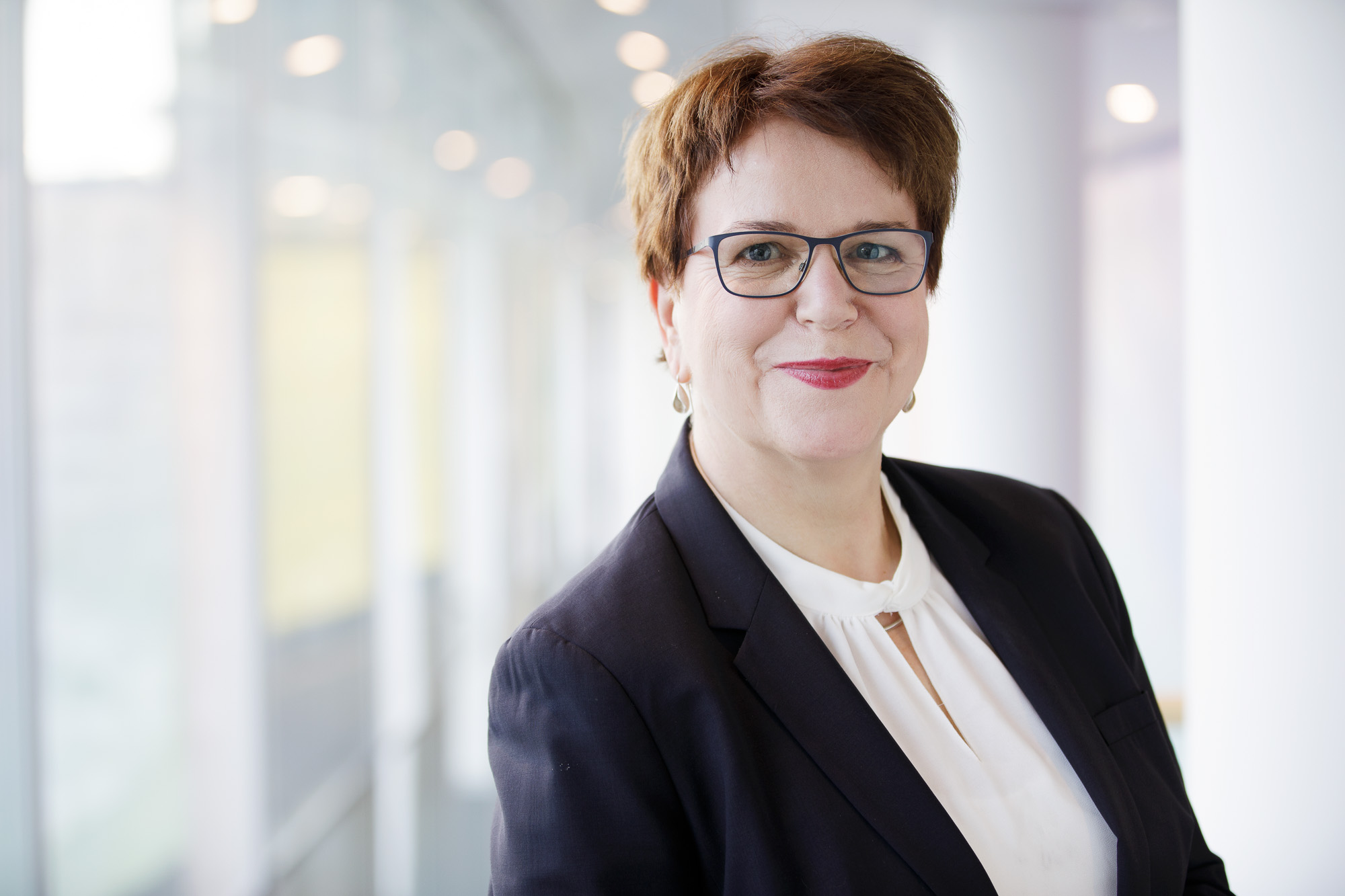
“Europe will not work anymore as a technocratic project,” Bischoff told John Papageorgiou. In a flash interview, on the sidelines of the UEF Federal Committee Meeting in Athens. She stressed that the EU is at a critical “make it or break it” moment due to major geopolitical instability, the end of the globalization model as previously known, rising nationalism within Member States, and increasing challenges to Europe’s economic competitiveness—especially for export-oriented economies. She argued that Europe needs a strong, united response, particularly in a context where war is taking place on the continent and Europe’s global influence appears weakened, as illustrated by proposals such as Trump’s “28-point plan”.
During your speech at the UEF Conference, you mentioned that we are at a “make it or break it” moment for the EU. Why is that?
We have huge challenges ahead; we face a geopolitical situation that is very insecure. The model of globalisation we knew, now is history. We see a growing nationalism in many Member States and we have problems regarding competitiveness of our industry, our business model as well… With these global challenges, for example economies that are very export oriented, face huge challenges. And in this time, we really need a strong European answer.
We are also in a time of war in Europe where we can see that Europe doesn’t play a role anymore. If you look at the proposals of Trump and the so called 28 points plan… If Europe wants to play a role in the world in the future, if Europe wants to create a strong economy, if Europe really wants to become more independent and strengthen strategic economy, it needs to shift. It needs to have the resources and the policies to be a strong player and deliver also prosperity for all in the future.
You referred to the geopolitical shifts that are taking place right now. In what ways do you think that the Federalists or the SnD could reposition themselves in order to be more effective?
If the European Union had followed earlier the recommendations of the Federalists, for example, regarding treaty changes, and also the S&D Group recommendations, we wouldn’t be in a situation like this. If we had taken the next steps regarding security and foreign policy, reduce for example the veto options, coming with one European voice, we could have been there. If we had been courageous to take some next integration steps…
Do you think that this is also the case for the completion of the single market? Considering for example Draghi’s and Letta’s reports a compass for the future…
When Jacques Delors created the single market, he had a vision for Europe and also a political vision that was connected to it. If we just perceive it as a technocratic exercise, where we just focus more on technocratic steps regarding the direction we want to transform Europe, it will not work. This is why I say if everyone just takes the aspects of the two reports that they like and we don’t really discuss a big European project again, a vision for Europe with concrete steps, we will not succeed. Europe will not work anymore as a technocratic project.
Are you optimistic for the future, considering the severe hurdles you mentioned?
Yes, because I have seen that Europe is capable to act when it’s under huge pressure. We saw it in COVID-19, we have seen it also when the war started. I would like to have a European Union that is capable to reform in good times as well, because if you are under pressure, you must be very fast and then sometimes you make mistakes. But I know, and I’m convinced that Europe can change in very difficult situations, and I think we are already in quite difficult situations. How may threats and wake-up calls -for example now with the Trump plan regarding Ukraine- how many wake-up calls does the EU need to really deliver?
The interview was given to Giannis Papageorgiou and was published on www.athensdigest.com